

The Importance of Electrical Safety Certificates
An electrical safety certificate is a document that ensures that your property's electricity system has been tested by qualified people. These tests are crucial to ensure that your tenants and employees are protected from electrical hazards within your home.
eicr certificates was changed in July 2020 and all leases created or renewed after this date will now require an EICR that is valid from an electrical inspection.
RCD and Smoke Alarm Compliance
Both smoke alarms and RCDs can be essential safety devices in any house. They can deter electrocution that can cause fatalities and decrease the risk of fires. Both RCDs and smoke alarms must be in good order and regularly tested to ensure their up-to-date condition.
All homes in Western Australia must have at least two RCDs prior to when they are able to be rented or sold. These are switches that shut the power supply to a circuit when someone touches an active wire or connect, and offer an extremely high level of protection for the individual.
They can also be used to protect appliances from overheating, thus reducing the risk of electric fires. To make sure that your RCDs are working properly it is essential to have them checked by an electrician on a regular basis.
The Electricity Regulations 1947 WA require every residential property to have a minimum of two RCDs fitted to protect power and lighting circuits that supply socket outlets and lights. Failure to have these devices fitted can result in fines of up to $15,000 for individuals or up to $100,000 for bodies corporates.
Smoke alarms must be hard-wired to the mains supply and they should have batteries that last for at least a year. They should be placed in a location that will awaken sleeping occupants and allow them time to leave the building in case an emergency fire.
There are many types of smoke alarms that include dual-sensor Ionisation, photoelectric and dual-sensor. The risk factors in your area will determine which kind of alarm you select.
It is crucial to ensure that the landlord does not violate any rules if you intend to rent a house. If you suspect the landlord isn't adhering to these regulations, please contact your local council and the Department of Fire and Emergency Services.
If you are buying a property and suspect that the landlord is not following these regulations you can request for repairs or modifications to comply with the law. If you do not see your request accepted then you can make an application to the courts for a court order requiring the landlord to adhere to these rules.
Renting or selling a property
If you are considering leasing or selling your property, one of the most important factors to think about is your electrical safety certificates. This will provide you and your potential buyer peace of mind, and will make the entire process much more smooth and efficient.
It doesn't matter if you are planning to sell or lease your home, it is vital that the electrical systems are compliant with UK law. This will not only safeguard your purchasers and their families but can also increase the value of your home.
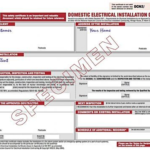
A letting agent or landlord typically requires an electrical safety certificate to let a home to tenants. This will ensure that the installation of RCDs and smoke alarms is in line with legal requirements and is safe to use for their tenants.
The EICR is a document that describes any issues or damage to electrical installations in a building. It is also a way to identify areas that need improvement or are unsafe to live in.
All tenancies, both new and old, must have an EICR from an electric inspection. This will be required for all residential tenancies that are periodic and fixed-term.
Find out more about this here but it is important to keep in mind that you don't have to provide an EICR to tenants who have resided in the property before the 1st of July in 2020. They may have an EICR which is valid and do not require the renewal following 1 April 2021.
A valid Electrical Safety Certificate can also allow you to avoid paying large cost for repairs and maintenance costs that aren't related to the wiring of the building. This will help you save money and not be burdened with costly bills which will make your home more profitable over the long term.
A local estate agent can provide expert advice if you are thinking of selling your property. They can provide you with the best advice on how to sell your property for the highest value and speed up the process too.
Renting out a Property
It is important to fully comprehend your obligations when renting out an apartment. This could mean the obtaining of an energy performance certificate and assessing the gas safety of the rental.
One of the most important things you can do is ensure that your property's electrical installation is safe, and you can do this by contacting an electrician to complete an inspection and test. This includes testing the wiring, plug sockets and lighting fittings.
Also, you will need to make sure that the electrical installation is properly grounded and free from any dangerous conditions. The engineer will issue an Electrical Installation Condition Report after the inspection.
It is also crucial to keep your tenants informed regarding the electrical safety of your home. This includes providing them with a copy of your EICR, as well as giving them updated contact details in the event that you no longer reside in the house.
Landlords are also required to keep their EICR up to date by arranging for a fresh inspection and test every five years or a shorter period if an inspector believes it necessary. They should also send a copy their most recent report to prospective renters, and to local authorities if required.
For a long time landlords were not required to obtain an electrical safety certification when they rented rooms in Houses In Multiple Occupation (HMOs). Private landlords are required by law to have an EICR in place by July 2020, and must comply with the Electrical Safety Standards in Private Rented Sector Regulations 2020.
These certificates have strict requirements and all landlords must complete an Electrical Installation Condition Report by a qualified electrician.
These rules are designed to protect tenants and reduce landlord liabilities due to electrical issues, which are a common cause of fires in rental properties. These rules are applicable to all tenancies, both in the present and the future. It is vital that you adhere to these rules.
Keeping your electrical installation in good working order is crucial to ensure that you are able to manage your cash flow and avoid costly repairs. This will let potential buyers feel comfortable that the electrical system in the property is in good working order and that there aren't dangers or issues.
The process of buying a property
If you are buying or selling, electrical safety certificates can assist you to speed up the process. It is advisable to ask your estate agent to include them on the property information form when you are viewing properties. This will reassure prospective buyers that the electrics in your home are safe and help you get an earlier price for selling.
If you are a landlord, it's essential to get your property's electrical system checked on a regular basis. This will not only aid in prevent fires but also save you money in the long run.
This is because all electrical installations that are fixed must be checked regularly to ensure safety. In reality, it is estimated that faulty electrics are the reason for as much as 10% of house fires in the UK.
Regular inspections by qualified electricians are crucial to identify and resolve any issues as quickly as is possible. This is particularly crucial for new electrical installations that must comply with the Wiring Regulations.
The regulations were enacted to protect people from electrical malfunctions that can lead to house fires. Landlords are expected to comply with the legislation that requires that all homes be inspected and regularly inspected by an electrician over the course of a few years.
After the inspection is completed after the inspection, a report will be issued. This report will determine if the inspection was satisfactory or not, and will highlight areas that need remedial work.
The job will be carried out by a licensed electrician who will check the entire installation and make any necessary changes. Once the work has been completed, the electrician will issue an EICR certificate that confirms that the installation has met the relevant electrical safety standards.
It is crucial to keep a copy the EICR for your records as well as for any local authorities or insurance companies that could need it. This will help reduce your expenses as you are able to easily show the certificate when you are asked.